https://www.stuff.co.nz/national/128807470/commercial-bakery-owner-buys-aussiemade-butter-but-rather-wouldnt
A commercial bakery in the dairy farm heartland of Southland uses Australian-made butter in its products because it’s cheaper to do so, and the owner is frustrated.
Southland’s Kaye’s Bakery co-owner Luella Penniall said she wanted to buy New Zealand-produced butter to support New Zealand’s farmers, but commercial realities had forced her hand.
Penniall said she used an Australian broker to buy wholesale butter as it gave her the option of buying either New Zealand or Australian butter.
She chose Australian-made butter, which she stressed was good quality, about 80% of the time as it was cheaper, she said.
Her bakery used about five tonnes of butter a month in its biscuits, and eight tonnes over Christmas. And by buying the cheaper Australian butter, she was saving hundreds of dollars a tonne, equating to tens of thousands of dollars a year, she said.
Kaye’s Bakery sold its biscuits to supermarkets so had to keep its production costs down to remain competitive with other biscuit brands on the shelves, she said.
“We have to choose the most competitive price for butter because in the marketplace the consumer is looking for the best priced product. And if I am buying New Zealand butter which is way more expensive than the alternatives, we won’t sell our product.”
The bakery, which hired 40 staff, also made biscuits for companies within New Zealand.
“We have to be loyal to them and buy the butter at a competitive price. They won’t cough up if we say, sorry, we are paying more for butter now, there’s been a huge increase,” Penniall said.
She did not feel comfortable with the situation, saying it was frustrating.
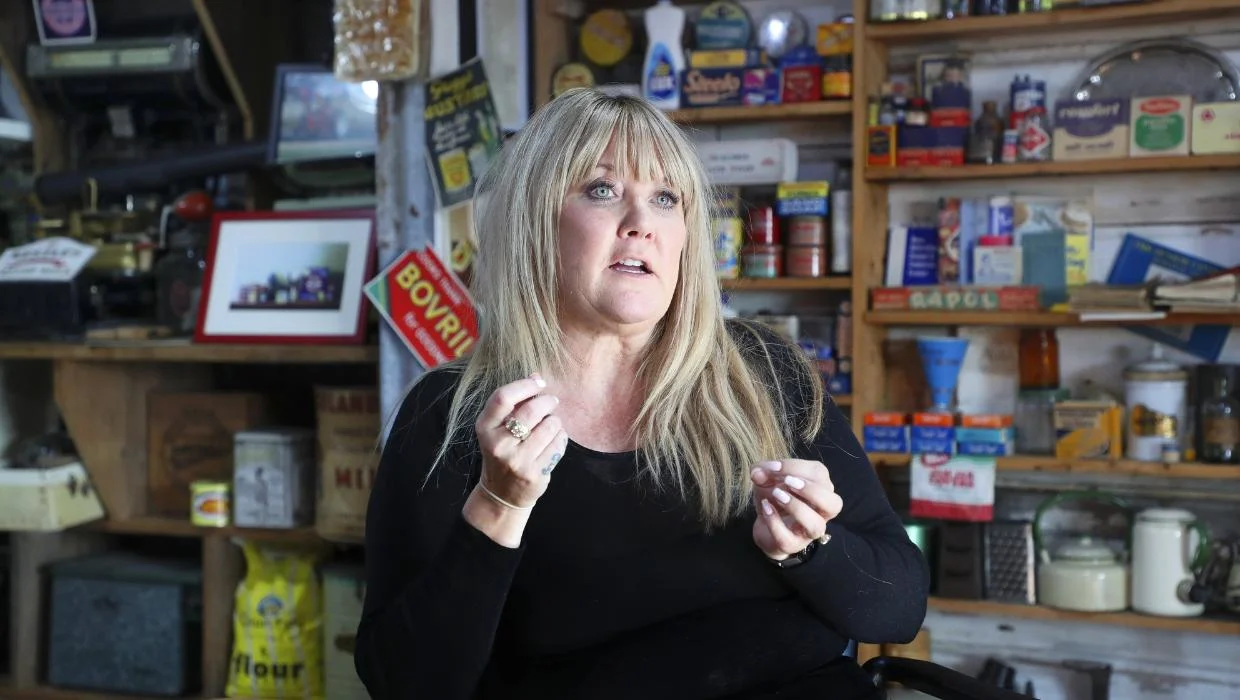
“I would absolutely prefer to be buying New Zealand butter. But this is about not being able to buy New Zealand butter at a competitive price.”
A Fonterra spokesperson said global dairy prices were a strong factor in determining the wholesale price of its dairy products sold both in New Zealand and overseas.
About 95% of Fonterra’s dairy products were exported because of New Zealand’s small population, he said.
This week, Stuff reported that as shoppers recoiled at the rising cost of staples like milk, cheese and butter, Fonterra’s consumer business in New Zealand was “struggling”, with low margins and profit down more than 80%.
The dairy co-operative had to pay farmers a regulated price for their milk, which was set by international markets, and those prices had surged to record levels this year. While high farmgate milk prices were good for dairy farmers and the wider economy, they hurt the profitability of processing companies like Fonterra if they couldn’t pass on those higher costs to the dairy products they produced, Fonterra chief executive Miles Hurrell said.
The Global Dairy Trade price for butter in mid May was US$5750 [NZ$8896] a tonne.